
Prepare effectively using resources like WordMint’s Biology 243 exam review worksheets and crosswords․ These tools aid in comprehension and recall of key biological concepts․
I․ Cell Structure and Function
Understanding the cell is foundational to biology․ Focus on the structures and their roles: the nucleus (containing DNA), ribosomes (protein synthesis), mitochondria (energy production – cellular respiration), and the cell membrane (regulating transport)․

Prokaryotic versus eukaryotic cells are crucial distinctions․ Prokaryotes lack a nucleus and membrane-bound organelles, while eukaryotes possess them․ Plant cells differ from animal cells with the addition of cell walls and chloroplasts (for photosynthesis)․
Membrane transport – passive (diffusion, osmosis) and active – is vital․ Know the functions of various organelles and how they contribute to overall cell function․ Review the concepts of surface area to volume ratio and its impact on cell size and efficiency․ Utilize review materials like those found on WordMint to reinforce these core concepts for your final exam․
Cytoskeleton components (microtubules, microfilaments, intermediate filaments) provide structural support and facilitate movement within the cell․

II․ Cellular Processes
Cellular processes drive life․ Photosynthesis converts light energy into chemical energy (glucose), utilizing chlorophyll in chloroplasts․ Understand the light-dependent and light-independent (Calvin cycle) reactions․
Cellular respiration breaks down glucose to release energy (ATP)․ This occurs in mitochondria through glycolysis, the Krebs cycle, and the electron transport chain․ Know the differences between aerobic and anaerobic respiration (fermentation)․
Enzymes are biological catalysts that speed up reactions․ Understand enzyme structure, specificity, and factors affecting enzyme activity (temperature, pH)․ Cell communication – including signal transduction pathways – is also key․
Review the relationship between photosynthesis and cellular respiration as complementary processes․ Practice identifying the reactants and products of each․ Resources like Biology 243 exam reviews can help solidify your understanding of these essential processes for the final exam․
A․ Photosynthesis
Photosynthesis is the cornerstone of energy production in plants and some bacteria․ It’s the process of converting light energy into chemical energy in the form of glucose․ This occurs within chloroplasts, specifically using chlorophyll to capture light․
The process is divided into two main stages: the light-dependent reactions and the Calvin cycle (light-independent reactions)․ Light-dependent reactions convert light energy into ATP and NADPH․ The Calvin cycle uses these to fix carbon dioxide into glucose․
Understand the roles of key molecules like water (H2O), carbon dioxide (CO2), and oxygen (O2)․ Be prepared to explain how environmental factors – light intensity, CO2 concentration, and temperature – affect the rate of photosynthesis․
Review the overall equation for photosynthesis: 6CO2 + 6H2O + Light Energy → C6H12O6 + 6O2․ Utilizing study guides and practice questions will be crucial for success on the final exam․
B․ Cellular Respiration
Cellular respiration is the process by which cells break down glucose to release energy in the form of ATP․ It’s essentially the reverse of photosynthesis, utilizing oxygen and releasing carbon dioxide and water․
The process unfolds in four key stages: glycolysis, the pyruvate oxidation, the Krebs cycle (also known as the citric acid cycle), and the electron transport chain․ Glycolysis occurs in the cytoplasm, while the remaining stages take place within the mitochondria․
Understand the role of key molecules like glucose, oxygen, ATP, NADH, and FADH2․ Be prepared to explain how different types of respiration – aerobic and anaerobic (fermentation) – differ in their efficiency and end products․
Review the overall equation for cellular respiration: C6H12O6 + 6O2 → 6CO2 + 6H2O + ATP․ Mastering these concepts through practice and review materials is vital for a strong exam performance․
III․ Genetics and Heredity
Genetics and heredity explore how traits are passed from parents to offspring․ A foundational understanding begins with Mendelian genetics, focusing on dominant and recessive alleles, genotypes, and phenotypes․ Practice using Punnett squares to predict inheritance patterns for monohybrid and dihybrid crosses․
Delve into the structure of DNA – the double helix composed of nucleotides containing sugar, phosphate, and nitrogenous bases (adenine, thymine, guanine, cytosine)․ Understand the process of DNA replication, including the roles of enzymes like DNA polymerase․
Gene expression involves two main steps: transcription (DNA to RNA) and translation (RNA to protein)․ Know the roles of mRNA, tRNA, and ribosomes in protein synthesis․ Be prepared to explain how mutations can affect gene expression and ultimately, phenotype․
Review concepts like codominance, incomplete dominance, and sex-linked traits for a comprehensive grasp of heredity principles․
A․ Mendelian Genetics
Mendelian genetics, the cornerstone of heredity, focuses on Gregor Mendel’s experiments with pea plants․ Understand his laws of segregation and independent assortment, crucial for predicting inheritance patterns; Key terms include alleles (alternative forms of a gene), genotype (genetic makeup), and phenotype (observable traits)․
Master the use of Punnett squares – diagrams used to visualize all possible combinations of alleles from parents․ Practice monohybrid crosses (examining one trait) and dihybrid crosses (examining two traits) to determine probabilities of offspring genotypes and phenotypes․
Be familiar with concepts like homozygous (identical alleles) and heterozygous (different alleles)․ Understand dominant and recessive alleles, and how they influence trait expression․ Explore test crosses to determine the genotype of an individual exhibiting a dominant phenotype․
Recognize limitations of Mendelian genetics, as not all traits follow simple inheritance patterns․
B․ DNA Structure and Replication
Deoxyribonucleic acid (DNA) is the molecule carrying genetic instructions․ Understand its double helix structure, composed of nucleotides – each containing a deoxyribose sugar, a phosphate group, and a nitrogenous base (Adenine, Thymine, Cytosine, Guanine)․ Remember the base pairing rules: A with T, and C with G․
DNA replication is the process of creating an identical copy of DNA․ It’s semi-conservative, meaning each new DNA molecule contains one original and one new strand․ Key enzymes include DNA polymerase (adds nucleotides) and helicase (unwinds the DNA double helix)․
Know the steps of replication: initiation, elongation, and termination․ Understand the role of leading and lagging strands, and the formation of Okazaki fragments on the lagging strand․ Be prepared to explain how replication ensures genetic information is accurately passed on during cell division․
Familiarize yourself with the concept of proofreading mechanisms to minimize errors during replication․
C․ Gene Expression (Transcription & Translation)
Gene expression is the process by which information from a gene is used in the synthesis of a functional gene product – typically a protein․ This occurs in two main stages: transcription and translation․
Transcription involves copying DNA into messenger RNA (mRNA) within the nucleus․ RNA polymerase is the key enzyme, using DNA as a template․ mRNA then undergoes processing, including splicing, to remove introns and create a mature mRNA molecule․
Translation occurs in the ribosomes, where mRNA is decoded to produce a specific polypeptide chain․ Transfer RNA (tRNA) brings amino acids to the ribosome, matching them to the mRNA codons․ The sequence of codons determines the amino acid sequence․
Understand the genetic code and how codons specify amino acids․ Be prepared to explain the roles of ribosomes, mRNA, tRNA, and amino acids in protein synthesis․ Know the difference between introns and exons․
IV․ Evolution
Evolution is the process of change in the heritable characteristics of biological populations over successive generations․ A central mechanism driving evolution is natural selection, where organisms with traits better suited to their environment tend to survive and reproduce more successfully․
Understand the principles of variation, inheritance, and selection․ Be familiar with different types of natural selection – directional, stabilizing, and disruptive․ Also, grasp the concept of adaptation and how it relates to environmental pressures․
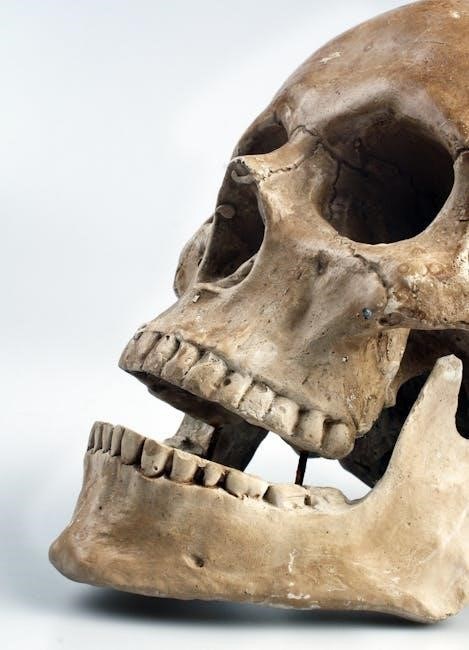
Evidence for evolution comes from various sources, including the fossil record, comparative anatomy (homologous and analogous structures), embryology, and molecular biology (DNA similarities)․ Know how these lines of evidence support the theory of evolution․
Be prepared to discuss concepts like genetic drift, gene flow, and speciation․ Understand how these processes contribute to the diversity of life on Earth․
A․ Natural Selection
Natural selection, proposed by Charles Darwin, is the differential survival and reproduction of individuals due to differences in phenotype․ It’s a key mechanism of evolution, favoring traits that enhance survival and reproductive success in a specific environment․
Understand the four principles: variation (individuals within a population exhibit differences), inheritance (traits are passed from parents to offspring), selection (some traits provide advantages), and time (evolution occurs over generations)․
Be prepared to explain how environmental pressures – like predation, competition, or climate change – drive natural selection․ Recognize examples of adaptations resulting from natural selection, such as camouflage or antibiotic resistance․
Distinguish between different modes of selection: directional selection (favors one extreme), stabilizing selection (favors the average), and disruptive selection (favors both extremes)․ Understand how each impacts the population’s genetic makeup․
B․ Evidence for Evolution
Evolution is supported by a wealth of evidence from diverse fields․ Fossil records provide a historical sequence of life, demonstrating transitions and extinct species․ Comparative anatomy reveals homologous structures – similar structures in different organisms indicating common ancestry – and vestigial structures, remnants of features no longer in use․
Embryology showcases similarities in early development across diverse species, suggesting shared evolutionary origins․ Molecular biology provides compelling evidence through DNA and protein sequence comparisons; greater similarity indicates closer relationships․
Biogeography, the study of species distribution, demonstrates how species are adapted to their environments and how their distribution reflects evolutionary history․ Observed evolution, like antibiotic resistance in bacteria, provides direct evidence of evolutionary change in real-time․
Be prepared to discuss how these lines of evidence converge to support the theory of evolution and understand the concept of common descent․
V․ Ecology
Ecology examines the interactions between organisms and their environment․ Understand the levels of ecological organization: organisms, populations, communities, ecosystems, and the biosphere․ Ecosystems encompass both biotic (living) and abiotic (non-living) components, with energy flowing through trophic levels – producers, consumers, and decomposers․
Biomes are large-scale ecosystems characterized by specific climate conditions and dominant vegetation․ Key biomes include forests, grasslands, deserts, and aquatic environments․ Population ecology focuses on factors affecting population size, density, and distribution, including birth rates, death rates, immigration, and emigration․
Be prepared to discuss concepts like carrying capacity, limiting factors, and different types of species interactions – competition, predation, symbiosis (mutualism, commensalism, parasitism)․ Understand how energy and nutrients cycle within ecosystems and the impact of human activities on ecological balance․
A․ Ecosystems and Biomes
Ecosystems are dynamic communities of interacting organisms and their physical environment․ Key components include producers (autotrophs), consumers (heterotrophs), and decomposers, all linked through food webs and energy flow․ Understand the roles of each component and how energy is transferred between trophic levels․
Biomes represent large-scale ecosystems defined by climate, vegetation, and animal life․ Major terrestrial biomes include tropical rainforests, savannas, deserts, temperate forests, and tundra․ Aquatic biomes encompass freshwater (lakes, rivers) and marine (oceans, coral reefs) environments․
Be prepared to compare and contrast different biomes, focusing on their characteristic climate patterns, dominant plant and animal species, and adaptations to those environments․ Consider factors like temperature, rainfall, and sunlight influencing biome distribution․ Also, understand how human activities impact these delicate ecosystems․

B․ Population Ecology
Population ecology focuses on how and why populations change over time․ Key concepts include population size, density, distribution, and growth rate․ Understand the factors influencing these characteristics, such as birth rates, death rates, immigration, and emigration․
Exponential growth occurs under ideal conditions, while logistic growth incorporates limiting factors like resource availability and carrying capacity (K)․ Be able to interpret population growth curves and identify phases of growth․
Explore different population regulation mechanisms, including density-dependent (competition, predation, disease) and density-independent factors (natural disasters)․ Understand how these factors influence population fluctuations․ Also, study life history strategies – r-selected (high reproduction, low survival) and K-selected (low reproduction, high survival) – and their implications for population dynamics․
VI․ Plant Biology
Plant biology encompasses the study of plant structure, function, growth, evolution, and classification․ Focus on understanding plant cells, tissues (parenchyma, xylem, phloem), and organs (roots, stems, leaves)․ Know the functions of each tissue and organ in relation to plant survival․
Photosynthesis is crucial – review the light-dependent and light-independent reactions, and the role of chlorophyll․ Understand how plants transport water and nutrients through xylem and phloem, including transpiration and the cohesion-tension theory․
Explore plant reproduction, including both sexual (pollination, fertilization, seed development) and asexual methods․ Study plant hormones (auxins, gibberellins, cytokinins, ethylene, abscisic acid) and their roles in regulating plant growth and development․ Finally, familiarize yourself with plant adaptations to diverse environments․
VII․ Animal Physiology

Animal physiology investigates the biological functions of living animals․ Prioritize understanding homeostasis – the maintenance of a stable internal environment․ Focus on the major organ systems and their interconnectedness․
The nervous system is key: review neuron structure, synaptic transmission, and the central and peripheral nervous systems․ Understand reflexes, sensory perception, and the role of hormones in communication․
The circulatory system is also vital – study the heart, blood vessels, and blood components․ Know the different types of circulation (pulmonary, systemic) and how oxygen and nutrients are transported․ Don’t forget respiration, digestion, excretion, and the immune system․
Explore how animals regulate body temperature (thermoregulation) and maintain water balance (osmoregulation)․ Understand the principles of muscle contraction and skeletal support․
A․ Nervous System
The nervous system enables rapid communication and coordination within the animal body․ Begin with the fundamental unit: the neuron․ Master its structure – dendrites, cell body, axon, and synapses – and understand how signals travel along these components․
Synaptic transmission is crucial; review the roles of neurotransmitters and receptors․ Differentiate between the central nervous system (brain and spinal cord) and the peripheral nervous system (nerves)․
Understand reflex arcs as rapid, involuntary responses․ Explore sensory receptors and how they detect stimuli (light, sound, touch, taste, smell)․ Investigate the brain’s major regions – cerebrum, cerebellum, and brainstem – and their respective functions․
Don’t overlook the role of hormones in modulating nervous system activity․ Consider how the nervous system interacts with other systems to maintain homeostasis․
B․ Circulatory System
The circulatory system is responsible for transporting oxygen, nutrients, hormones, and waste products throughout the body․ Begin by understanding the components of blood: plasma, red blood cells, white blood cells, and platelets – and their individual functions․
Differentiate between the different types of blood vessels: arteries, veins, and capillaries․ Focus on their structure and how it relates to their function․ Thoroughly review the heart’s anatomy – chambers, valves, and major blood vessels connected to it․
Understand the cardiac cycle – systole and diastole – and how blood pressure is regulated․ Explore the different circulatory pathways: pulmonary and systemic circulation․
Consider the lymphatic system’s role in fluid balance and immunity․ Don’t forget to study common circulatory disorders and their impact on overall health․
VIII․ Microbiology

Microbiology explores the world of microscopic organisms – bacteria, viruses, fungi, and protozoa; Begin by understanding the fundamental differences between prokaryotic and eukaryotic cells, focusing on bacterial structure and function․
Study the various methods of microbial classification and identification․ Explore microbial growth and reproduction, including factors influencing growth rates․ Understand the principles of sterilization and disinfection, and their importance in controlling microbial populations․
Focus on the roles of microorganisms in disease – pathogens, virulence factors, and the body’s immune response․
Review the different types of microbial interactions – symbiosis, commensalism, and parasitism․ Don’t forget to study the beneficial roles of microbes in areas like digestion and biotechnology;
IX․ Biotechnology and Genetic Engineering
Biotechnology harnesses biological systems for technological advancements․ Begin with the foundational techniques of genetic engineering – gene cloning, restriction enzymes, and vectors (plasmids, viruses)․ Understand the process of creating recombinant DNA and its applications;
Study Polymerase Chain Reaction (PCR) and its use in amplifying DNA․ Explore DNA sequencing methods and their role in genomics․ Focus on gene therapy – its principles, challenges, and potential benefits․

Review the applications of biotechnology in medicine (drug production, diagnostics), agriculture (genetically modified crops), and industry (bioremediation)․
Don’t forget to study ethical considerations surrounding genetic engineering, including concerns about safety, accessibility, and environmental impact․ Understand the basics of CRISPR-Cas9 technology and its revolutionary potential․