Chicken Nesting Box Plans PDF: A Comprehensive Guide
Discover a wealth of free chicken coop plans available as downloadable PDFs, offering blueprints and construction pictures for easy building.
Explore designs ranging from simple PVC pipe structures to detailed 8×10 coops, catering to various flock sizes and skill levels.
Find plans with complete material lists, cut diagrams, and step-by-step instructions, empowering you to create a custom, comfortable home for your chickens.
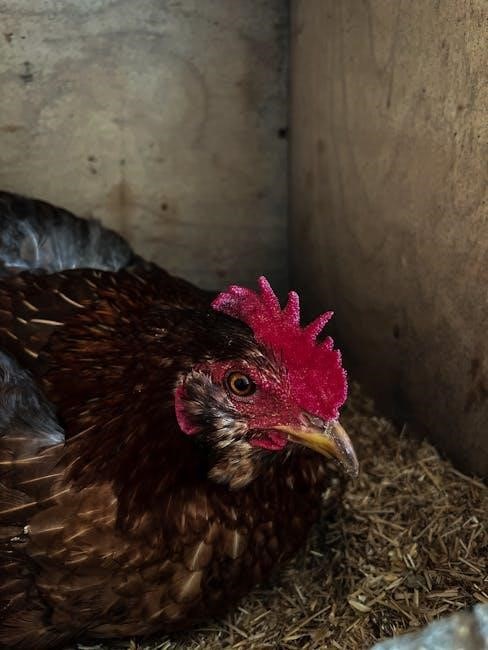
Chicken nesting boxes are essential components of a happy and productive chicken coop, providing hens with a safe, private, and comfortable space to lay their eggs. These boxes mimic the natural nesting instincts of chickens, encouraging them to lay eggs consistently in a designated area, rather than scattering them throughout the coop.
Understanding the importance of well-designed nesting boxes is crucial for successful chicken keeping. A properly constructed box protects eggs from breakage and contamination, making collection easier. Furthermore, providing adequate nesting space reduces stress on hens, leading to increased egg production and overall flock health.
Fortunately, building your own nesting boxes is a relatively simple and cost-effective project. Numerous free chicken coop plans and PDFs are readily available online, offering detailed instructions and material lists. These resources empower you to create customized nesting boxes tailored to your specific flock size and coop layout. Starting with a solid plan ensures a successful build and a happy laying environment for your feathered friends.
Why Build Your Own Nesting Boxes?
Constructing your own chicken nesting boxes offers significant advantages over purchasing pre-made options. Firstly, it’s a cost-effective solution, allowing you to utilize readily available materials and avoid the expense of commercially produced boxes. Secondly, building yourself grants complete customization – you can tailor the size, shape, and features to perfectly suit your chickens’ needs and your coop’s layout.
Accessing free chicken coop plans and PDFs simplifies the process, providing detailed blueprints and instructions for a successful build. This DIY approach also fosters a sense of accomplishment and allows for ongoing modifications as your flock grows or your preferences evolve.
Moreover, homemade nesting boxes can be designed with specific features like easy cleaning access, predator-proofing, and enhanced ventilation. Ultimately, building your own nesting boxes is an investment in your chickens’ well-being and a rewarding project for any chicken keeper, offering both practicality and personalization.
Essential Features of a Good Nesting Box
A well-designed chicken nesting box is crucial for encouraging hens to lay eggs in a safe and comfortable space. Key features include appropriate dimensions – generally around 12x12x12 inches – providing ample room without being excessively large. Adequate depth (around 6-8 inches) is vital, filled with soft, clean bedding like straw or wood shavings.
Accessibility is paramount; hens should easily enter and exit the box. Darkness and privacy are also important, reducing stress and promoting laying. Smooth interior surfaces prevent egg breakage, and a slightly sloped floor aids in easy egg collection.
Utilizing free chicken coop plans and PDFs ensures these features are incorporated into your build. Consider incorporating a lip or raised edge to contain bedding and prevent it from spilling. Prioritizing these elements creates a welcoming and productive nesting environment for your flock, maximizing egg production and hen comfort.
Nesting Box Dimensions & Space Requirements
Generally, a good rule of thumb is one nesting box for every four to five hens; Typical dimensions for a nesting box are 12 inches wide, 12 inches deep, and 12 inches high, providing sufficient space for most breeds. However, larger breeds like Orpingtons may require boxes measuring 14x14x14 inches.
Spacing between nesting boxes should be at least 18 inches to allow hens privacy and prevent squabbles. Placement should be in a dark, quiet area of the coop, away from direct sunlight and drafts. Utilizing free chicken coop plans and PDFs will often specify recommended dimensions and spacing based on the coop’s overall size.
Remember to account for the number of hens you plan to keep when determining the number of nesting boxes needed. Providing adequate space encourages egg-laying and minimizes stress within the flock, contributing to a healthier and more productive environment.
Materials Needed for Nesting Box Construction
Commonly, nesting boxes are constructed from readily available pine lumber, offering a balance of affordability and durability. You’ll need plywood or solid wood for the sides, bottom, and roof of each box. Essential materials include wood screws or nails for assembly, ensuring a secure and long-lasting structure.
Many free chicken coop plans and PDFs suggest using untreated wood to avoid potential harm to the hens. Consider adding a layer of bedding material like straw, wood shavings, or shredded paper for comfort and cleanliness. Optional materials include hardware cloth for predator-proofing and paint or sealant for weather protection.
Don’t forget to factor in the cost of fasteners, bedding, and any finishing materials when budgeting for your nesting box project. Carefully review the material list provided with your chosen PDF plan to ensure you have everything required before starting construction.
Tools Required for Building
Successfully building your chicken nesting boxes, guided by free PDF plans, requires a basic set of tools. A circular saw or hand saw is essential for cutting lumber to the specified dimensions. A drill with various bits will be needed for creating pilot holes and driving screws.
A measuring tape, square, and pencil are crucial for accurate marking and layout. Safety glasses and work gloves are non-negotiable for protecting your eyes and hands. A screwdriver (or drill with screwdriver bits) will secure the box components.
Depending on the plan’s complexity, you might also need a sandpaper for smoothing rough edges, a hammer for nailing, and a level to ensure the boxes are properly aligned. Having these tools readily available will streamline the construction process, as detailed in the downloadable PDFs.
Free Chicken Coop Plans & PDFs
Access numerous free chicken coop plans in PDF format, complete with blueprints and pictures, simplifying construction.
Discover designs from basic PVC structures to detailed 8×10 coops, suitable for all flock sizes.
Download plans featuring material lists and step-by-step instructions for a custom chicken haven.
Where to Find Downloadable PDF Plans
Numerous online resources offer free chicken coop plans in easily downloadable PDF format. A quick internet search reveals websites dedicated to providing blueprints for various coop sizes and styles. These plans often include detailed construction pictures, guiding you through each step of the building process.
Many websites specialize in DIY projects and feature sections specifically for chicken coops. Look for plans categorized by size – small, medium, or large – to match your flock’s needs.
Specifically, you can find plans for PVC pipe coops, known for their simplicity and affordability, alongside more elaborate 8×10 coop designs. These PDFs typically contain comprehensive material lists, ensuring you have everything required before starting.
Remember to check the date of the plans, as building codes and best practices may evolve. Utilizing recent plans ensures compliance and a safer, more effective coop for your chickens.
PVC Pipe Chicken Coop Plans
PVC pipe chicken coop plans represent a remarkably simple and cost-effective building solution for backyard poultry enthusiasts. These plans leverage the lightweight, durable, and readily available nature of PVC piping to create a functional and secure shelter.
The inherent ease of assembly makes PVC coops ideal for beginners or those seeking a quick building project. Plans typically involve constructing a frame using PVC pipes and fittings, then covering it with chicken wire or netting for ventilation and predator protection.
Downloadable PDF plans for PVC coops often showcase innovative designs, maximizing space while minimizing material costs. These plans frequently include detailed diagrams illustrating the cutting and joining of PVC pipes, alongside lists of necessary hardware.
While offering simplicity, remember to reinforce the structure adequately to withstand weather conditions and potential animal intrusion. Proper anchoring is crucial for stability.
8×10 Chicken Coop Plans (Detailed)
Detailed 8×10 chicken coop plans (approximately 2.4m x 3;05m) offer a substantial housing solution for a moderate to large flock of chickens. These plans are particularly popular due to their balance of space, functionality, and manageable construction complexity.
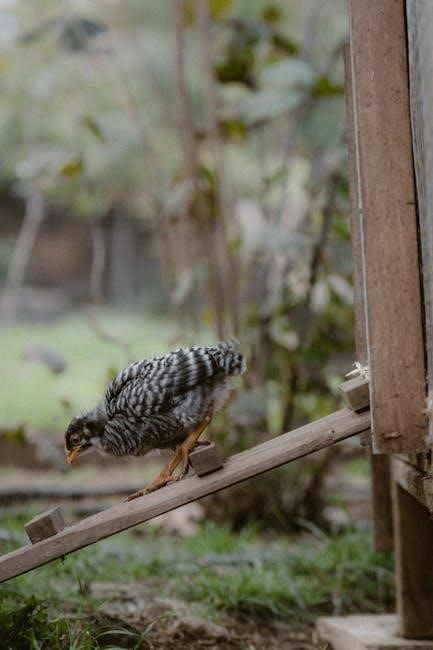
Typically, downloadable PDF versions include comprehensive material lists specifying lumber dimensions, hardware requirements, and quantities. Cut diagrams are essential, illustrating how to efficiently utilize materials to minimize waste.
Step-by-step building instructions guide you through each phase, from foundation construction and framing to roofing and finishing touches. These plans often incorporate features like nesting boxes, roosting bars, and access doors for easy egg collection and cleaning.
Look for plans that emphasize structural integrity, ventilation, and predator-proofing. A well-designed 8×10 coop provides a comfortable and secure environment for your chickens, promoting healthy egg production.
Small Chicken Coop Plans
Small chicken coop plans, readily available as PDF downloads, are ideal for backyard poultry keepers with limited space or smaller flocks – typically up to six chickens. These plans prioritize simplicity and affordability, making them perfect for beginner builders.
Common designs often utilize pre-cut lumber or repurposed materials to reduce costs. PDF plans will detail material lists, specifying quantities of wood, hardware, and roofing materials. Clear cut diagrams are crucial for efficient material usage.
Step-by-step instructions guide construction, covering framing, roofing, nesting box installation, and ventilation. Look for plans that incorporate features like secure latches to protect against predators.
Despite their smaller size, well-designed small coops can provide a comfortable and safe environment for chickens, ensuring adequate space for roosting, nesting, and movement. Prioritize good ventilation to maintain air quality.
Large Chicken Coop Plans
Large chicken coop plans, often available as detailed PDF downloads, cater to serious poultry enthusiasts with substantial flocks – frequently exceeding ten chickens. These plans emphasize durability, spaciousness, and advanced features for optimal bird welfare.
Expect comprehensive material lists detailing lumber (often including thicker framing), roofing, and hardware requirements. Detailed cut diagrams are essential for managing larger material quantities and minimizing waste.
Step-by-step instructions will guide construction of robust frames, secure roofing systems, and multiple nesting boxes. Many plans incorporate dedicated areas for feed and water storage.
Advanced features often include walk-in doors for easy cleaning, elevated coop designs for predator protection, and sophisticated ventilation systems to regulate temperature and humidity.
Investing in a well-constructed large coop ensures a comfortable, safe, and productive environment for a sizable flock, maximizing egg production and overall bird health.
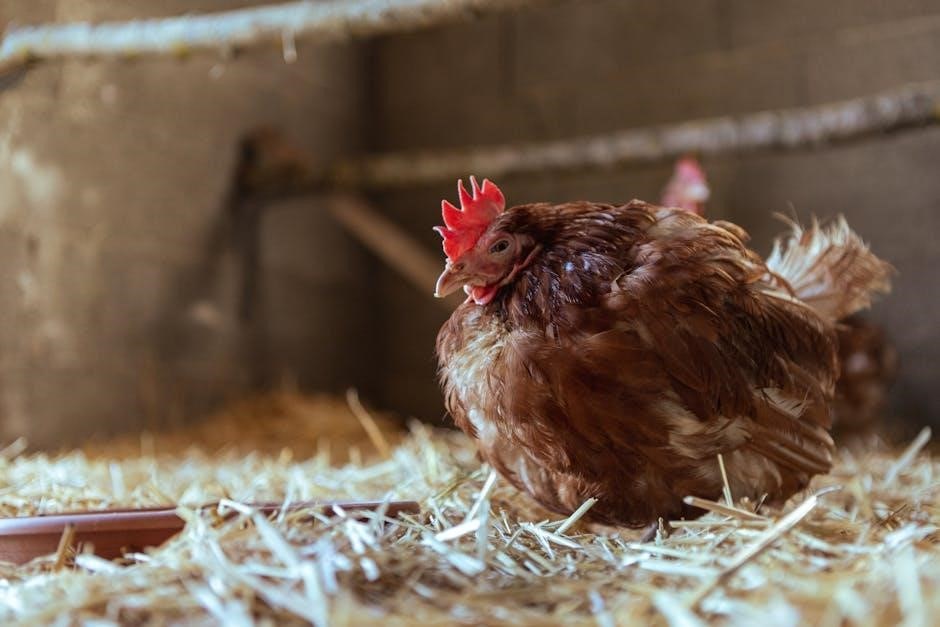
Construction & Design Considerations
Focus on structural frame construction using pine lumber, bump-out attachment details, and clear cut diagrams with material lists for efficient building.
Ensure a safe and comfortable environment through careful planning and adherence to detailed, downloadable PDF plans for optimal results.
Structural Frame Construction (Pine Lumber)
Utilizing pine lumber is a common and cost-effective approach to building a robust chicken coop frame. Detailed plans often specify double thickness for frame sides, enhancing structural integrity with a shorter plank positioned on the exterior.
Careful attention should be given to attachment points, particularly concerning bump-out features. Some plans indicate that certain components, like ‘2b’, are not directly attached to the bump-out but rather designed to hang in place, requiring precise alignment and secure fastening to the main coop structure.
PDF plans will typically outline the necessary lumber dimensions and quantities, streamlining the material acquisition process. Prioritize using pressure-treated lumber for ground contact areas to prevent rot and extend the coop’s lifespan. Remember to always consult the specific plans for accurate measurements and construction techniques, ensuring a stable and secure enclosure for your flock.
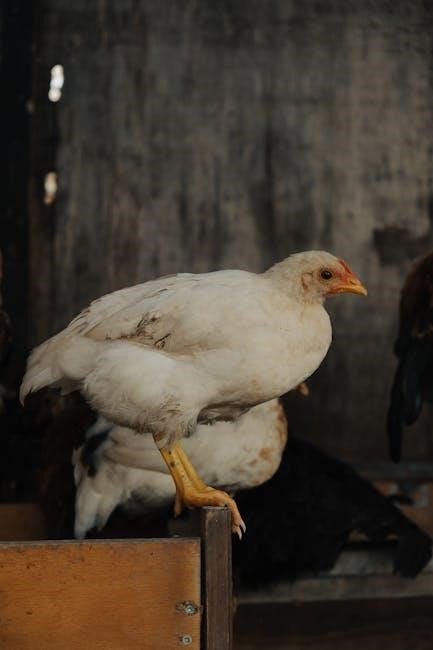
Proper construction of the frame is paramount for the overall stability and longevity of the chicken coop.
Bump-Out Attachment Details
Bump-out attachments, frequently incorporated into chicken coop designs, provide expanded space for nesting boxes or roosting areas. PDF plans will illustrate specific methods for securely attaching these extensions to the main coop structure.
Notably, some plans detail a non-direct attachment approach for certain bump-out components – for instance, element ‘2b’ is designed to hang in place rather than being rigidly fixed to the bump-out itself. This requires careful consideration of weight distribution and the strength of the supporting structure.
Secure fastening is crucial; utilize screws and brackets appropriate for the lumber thickness. Ensure the bump-out is level and aligned with the main coop to prevent instability. Refer to the plans for precise measurements and recommended hardware. A well-attached bump-out enhances the coop’s functionality and provides a more comfortable environment for your chickens.
Proper attachment prevents swaying or detachment during inclement weather.
Step-by-Step Building Instructions
Comprehensive chicken coop PDF plans prioritize clear, step-by-step building instructions, guiding you through each phase of construction. These instructions typically begin with preparing the foundation and constructing the structural frame, often utilizing standard pine lumber.
Detailed diagrams accompany each step, illustrating proper assembly techniques and component placement. Expect guidance on cutting lumber to specified dimensions, assembling walls, installing the roof, and building nesting boxes and roosting bars.
The plans will also cover attaching any bump-out extensions, ensuring structural integrity. Follow the instructions meticulously, paying close attention to measurements and fastener types. Remember to prioritize safety throughout the building process, utilizing appropriate tools and protective gear. Successful completion relies on careful adherence to the provided guidance.
Always double-check your work before proceeding to the next step.
Cut Diagrams & Material Lists
Essential components of any good chicken coop PDF plan are detailed cut diagrams and comprehensive material lists. Cut diagrams visually represent each lumber piece, specifying dimensions and quantities needed for the entire project. These diagrams minimize waste and ensure accurate cuts, streamlining the building process.
Material lists itemize every component required, including lumber (typically standard pine), fasteners (screws, nails), roofing materials, and hardware. Lists often categorize materials by component – framing, walls, roof, nesting boxes – for easy organization.
Accurate material lists help with budgeting and efficient purchasing. Plans may also indicate lumber grade recommendations. Double-checking the material list before starting construction prevents mid-project delays. Utilizing these resources ensures a smooth and successful build, delivering a safe and comfortable coop for your flock.
Remember to account for potential waste when purchasing materials.
Ensuring a Safe & Comfortable Environment
Prioritizing a safe and comfortable environment is crucial when utilizing chicken coop PDF plans. Ventilation is key; adequate airflow prevents moisture buildup and ammonia odors, promoting respiratory health. Plans should detail vent placement and sizing.
Predator-proofing is paramount. Secure hardware cloth, reinforced doors, and elevated coops deter foxes, raccoons, and other threats. Nesting boxes should be enclosed and secure.
Comfortable nesting boxes, with appropriate dimensions and soft bedding, encourage laying. Temperature control is vital; shade in summer and protection from drafts in winter are essential. Easy cleaning access prevents disease. Well-designed plans incorporate these features, creating a healthy and happy habitat for your chickens, maximizing egg production and overall well-being.
Regular coop maintenance is also important.
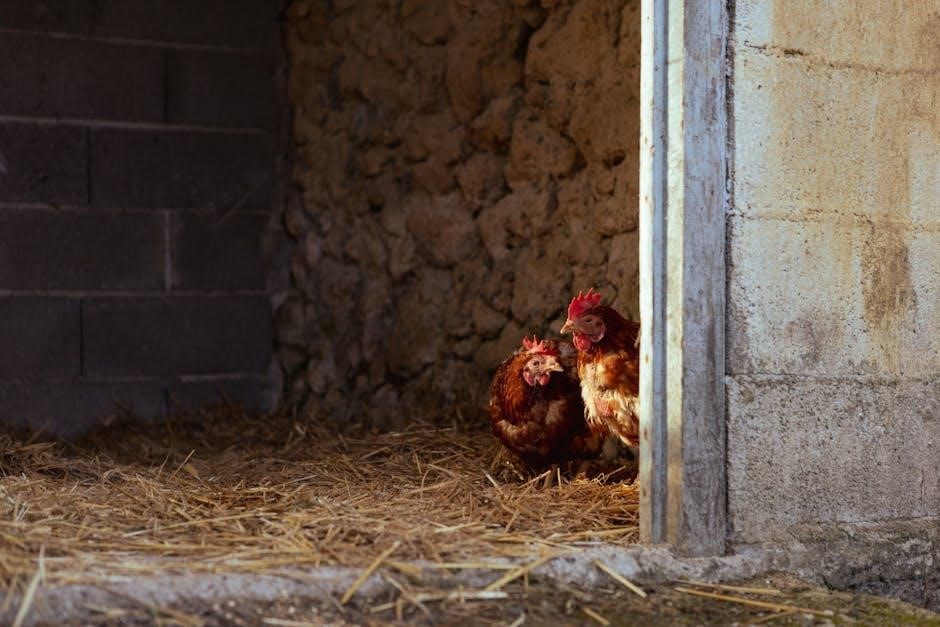
Local Regulations & Compliance
Before building, check local ordinances regarding backyard chickens and coop placement. Permitting may be required, and guidelines dictate setbacks and coop size restrictions.
Compliance ensures a harmonious relationship with neighbors and avoids potential fines.
Checking Local Ordinances
Prior to commencing construction of your chicken coop, a thorough investigation of local ordinances is absolutely crucial. Many municipalities have specific regulations governing the keeping of poultry within residential areas. These rules can vary significantly, so assuming compliance is not an option. Begin by contacting your local city hall or county government to inquire about applicable laws.
Specifically, ask about restrictions on the number of chickens permitted, whether roosters are allowed (often they are not, due to noise complaints), and any setback requirements from property lines. Furthermore, investigate rules concerning coop size, height, and construction materials. Some areas may even have stipulations regarding waste management and sanitation. Ignoring these ordinances can result in fines, legal issues, or even the requirement to dismantle your newly built coop. Online resources may also provide some information, but always verify with official sources for the most accurate and up-to-date details. Proactive research will save you potential headaches and ensure a smooth, compliant building process.
Permitting Requirements
Following your investigation of local ordinances, determine if a building permit is required for your chicken coop project. Many jurisdictions mandate permits for structures exceeding a certain size or height, or those considered permanent improvements to your property. The permitting process typically involves submitting detailed plans of your coop, including dimensions, materials, and site placement.
Expect to pay a permit fee, and allow sufficient time for review and approval – this can sometimes take several weeks. Failure to obtain the necessary permits can lead to stop-work orders, fines, and the potential need to remove the unapproved structure. Check with your local building department to ascertain specific requirements and obtain the necessary application forms. Detailed plans, often in PDF format, are usually required for submission. Understanding the permitting process upfront will prevent costly delays and ensure your coop construction remains legal and compliant.
Coop Placement Guidelines
Strategic coop placement is crucial for chicken health and well-being. Prioritize a location with good drainage to prevent muddy conditions and maintain a dry environment. Ensure the coop receives partial shade, especially during hot summer months, to protect chickens from overheating. Consider prevailing wind directions, positioning the coop to minimize exposure to harsh winds and drafts.
Locate the coop a safe distance from your home and neighboring properties to mitigate potential odor or noise concerns. Predator protection is paramount; choose a spot with clear visibility and consider reinforcing the surrounding area. Accessibility for cleaning and egg collection is also important. Refer to your downloaded PDF plans for recommended setbacks and spatial requirements. Proper placement, combined with a well-constructed coop, contributes significantly to a happy and productive flock.
Advanced Nesting Box Features
Enhance your coop with predator-proofing, ventilation, and easy cleaning designs found in detailed PDF plans. Customize boxes for comfort and explore additional resources for support.
Predator-Proofing Your Nesting Boxes
Protecting your hens from predators is paramount when designing nesting boxes; Many free chicken coop plans, available as PDFs, emphasize robust construction techniques to deter animals like raccoons, foxes, and even snakes. Consider using heavy-gauge hardware cloth instead of chicken wire, as it’s significantly more resistant to tearing.
Reinforce all seams and edges with sturdy staples or screws. Ensure the nesting boxes are securely attached to the coop frame, eliminating potential entry points. Look for plans that incorporate recessed entrances or metal predator guards around openings. Adding a solid roof to the nesting area is crucial, preventing aerial attacks.
Review PDF plans carefully for details on latching mechanisms for access doors, ensuring they are predator-proof. Remember to bury hardware cloth around the perimeter of the coop to prevent digging predators. Prioritize a secure design to provide peace of mind and safeguard your flock’s well-being.
Ventilation & Temperature Control
Maintaining optimal temperature and ventilation within nesting boxes is vital for hen comfort and egg production. Many downloadable chicken coop plans, often in PDF format, highlight the importance of airflow. Incorporate vents near the roofline to allow hot, moist air to escape, preventing condensation and ammonia buildup.
Ensure adequate ventilation without creating drafts directly on the hens. Consider adjustable vents to regulate airflow based on seasonal changes. Look for plans that suggest using screened openings to keep out insects while allowing ventilation. Proper insulation can help moderate temperatures during extreme weather.
Avoid overcrowding, as it restricts airflow and increases humidity. Regularly check nesting boxes for dampness or mold. Utilize light-colored roofing materials to reflect heat. Review PDF plans for specific recommendations on ventilation placement and sizing for your coop’s design.
Easy Cleaning & Maintenance
Downloadable chicken coop plans, frequently available as PDFs, often emphasize designs facilitating easy cleaning. Look for plans featuring removable nesting box floors or sides for quick access to soiled bedding. Consider nesting boxes with sloped floors to prevent egg breakage and simplify cleaning.
Choose materials that are durable and easy to sanitize, such as smooth wood or plastic. Regular cleaning is crucial for preventing mites, bacteria, and unpleasant odors. Implement a routine cleaning schedule, removing soiled bedding and disinfecting surfaces weekly.
Inspect nesting boxes regularly for damage or wear. Repair any cracks or gaps promptly to prevent pest infestations. Review PDF plans for suggested cleaning solutions and maintenance tips. Prioritize designs that minimize crevices where dirt and debris can accumulate, streamlining upkeep.
Customization Options & Designs
PDF chicken coop plans often serve as a starting point for personalization. Explore options to modify dimensions, materials, and features to suit your specific needs and aesthetic preferences. Consider adding decorative elements like paint, trim, or roofing materials to enhance the coop’s appearance.
Adapt nesting box designs to accommodate different breeds of chickens, adjusting size and height as needed. Incorporate features like nesting curtains for added privacy or elevated roosts for comfortable resting. Review plans for opportunities to integrate storage solutions for feed and supplies.
Utilize online resources and forums to gather inspiration and share ideas with other chicken keepers. Don’t hesitate to experiment with unique designs and layouts, creating a truly custom coop that reflects your style and provides a happy, healthy environment for your flock.
Additional Resources & Support
Numerous online communities and forums are dedicated to backyard chicken keeping, offering valuable support and advice. Explore these platforms to connect with experienced builders, share your progress, and troubleshoot any challenges you encounter while using PDF plans.
Websites specializing in poultry farming often provide detailed guides, articles, and videos on coop construction and maintenance. Seek out resources that offer expert guidance on topics like predator-proofing, ventilation, and coop sanitation.
Local agricultural extension offices can provide tailored advice based on your region’s climate and regulations. Consider contacting local feed stores or poultry suppliers for recommendations on materials and building techniques. Remember, a wealth of information is available to help you build a successful and thriving chicken coop!