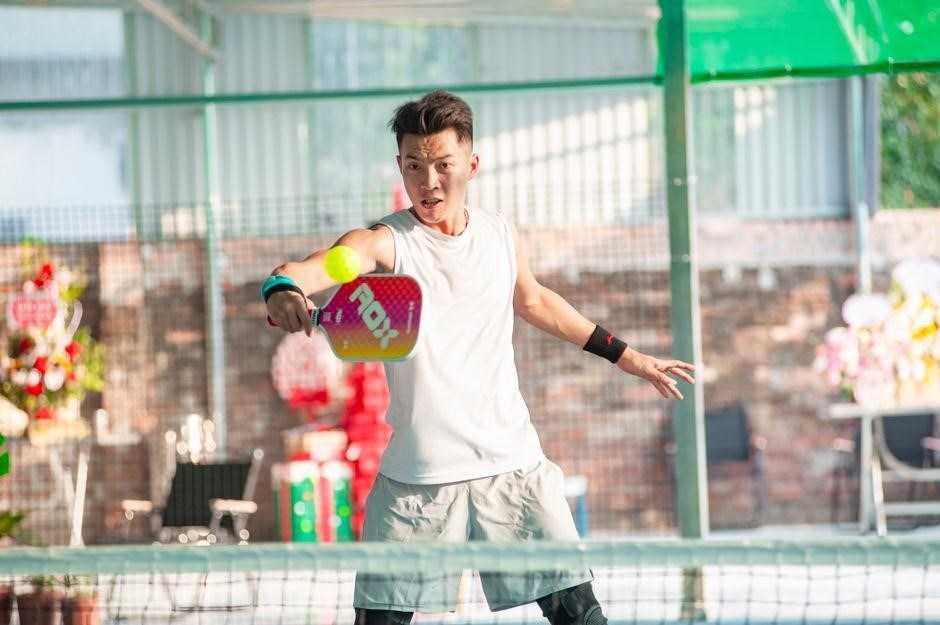
Discover how a well‑structured pickleball drills pdf can transform. It compiles key drills, from warm‑ups toadvanced tactics, ensuring every session targets real match skills. Coaches and players alike trust this resource for focused improvement. Download it today and elevate your game beyond thebaseline now!!.!

pickleball drills pdf Overview
The pickleball drills pdf serves as a comprehensive guide, consolidating essential exercises into a single, easily accessible format. Designed for players of all ages, it features clear instructions, illustrative diagrams, and progressive difficulty levels. Each drill is categorized by stroke type—forehand, backhand, serve, and volley—allowing users to target specific weaknesses. The document also highlights key tactical concepts such as court positioning, shot selection, and rhythm maintenance, ensuring that practice time translates directly into match performance. Coaches can quickly assign drills based on team needs, while solo players can follow the step‑by‑step routine to build consistency and confidence. With downloadable pages, the pdf can be printed or viewed on any device, making it a versatile tool for on‑court, off‑court, or travel training sessions.
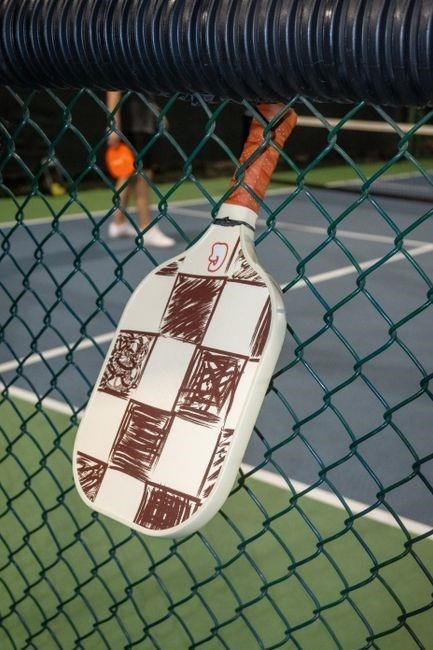
In addition to the core drills, the pdf includes a “quick‑start” checklist for beginners, a “warm‑up” routine to prevent injury, and a “cool‑down” section with mobility exercises. Each drill is accompanied by suggested repetitions and timing guidelines, enabling players to structure 30‑minute sessions that maximize skill acquisition. The layout is user‑friendly, with a table of contents and page numbers for easy navigation. Whether you’re preparing for a local tournament or simply refining your fundamentals, this resource offers a systematic approach that saves time and accelerates progress.
Moreover, the PDF integrates links for visual reference, allowing players to observe proper form before attempting the drills. It also features a progress tracker sheet, encouraging accountability and measurable improvement. By combining theory, practice, and evaluation, resource becomes an indispensable companion for anyone serious about mastering pickleball. Practice!!
Why a PDF Collection is Essential for Players
For dedicated pickleball athletes, a single, well‑organized PDF collection offers unparalleled convenience and consistency. By consolidating thousands of drills into one searchable document, players avoid the time‑consuming hunt for disparate resources. The PDF format preserves layout across devices, ensuring that diagrams, step‑by‑step instructions, and timing cues remain intact whether viewed on a tablet, laptop, or printed sheet. This uniformity eliminates the frustration of misaligned graphics that can lead to incorrect technique.
Moreover, a curated PDF empowers coaches to tailor training plans with precision. Each drill is tagged by skill level, stroke type, and tactical focus, allowing for rapid selection of exercises that address specific weaknesses. Players can track progress by marking completed drills, creating a tangible record of growth. The ability to annotate directly on the PDF—highlighting key points or adding personal notes—further enhances learning, turning passive reading into active engagement.
Another critical advantage lies in portability. A single PDF file can be stored on a smartphone, shared via email, or accessed offline, making it ideal for travel or practice sessions without internet access. This eliminates the dependency on multiple apps or websites, streamlining the training workflow. In competitive environments, having instant access to a vetted set of drills ensures that practice time is maximized, translating to improved match performance.
Finally, the PDF collection fosters community and consistency. Players across clubs can reference the same drills, facilitating shared training standards and easier coaching of mixed‑skill groups. The collective knowledge embedded in the PDF becomes a living resource, updated regularly with new drills and expert insights, keeping athletes on the cutting edge of pickleball training. By investing in a comprehensive PDF, players secure a reliable, evolving training partner that adapts to their growth.
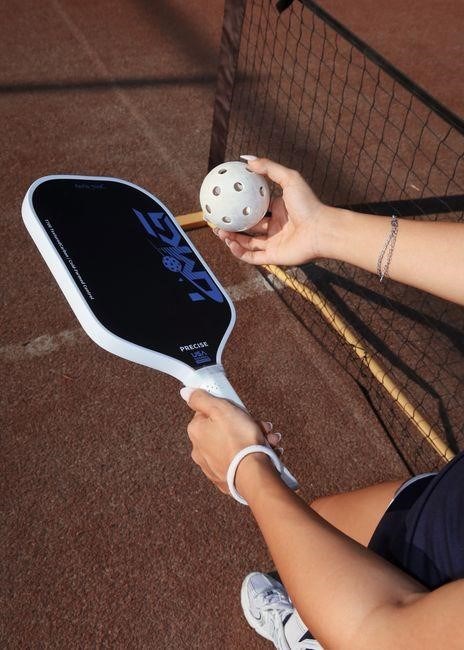
Key Features of Professional Pickleball Drill PDFs
These PDFs organize drills by stroke, level, and strategy. Each page shows diagrams, instructions, and worksheets. Text lets you find “serve” or “dinking” drills quickly. Coaches can annotate, track progress, and share updates for all levels.
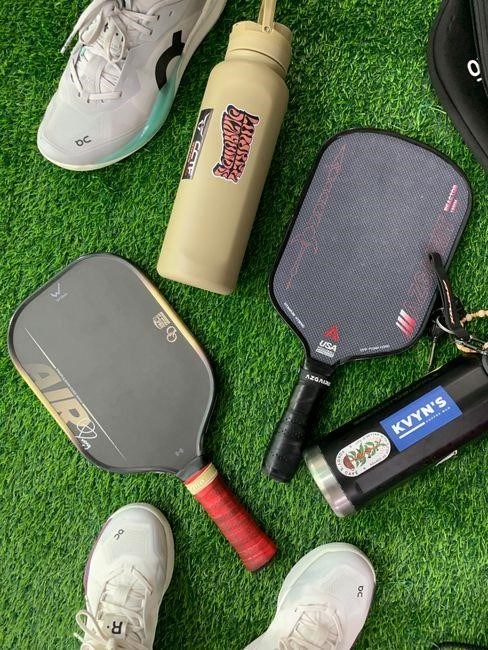
Skill Levels Covered: Beginner to Advanced
Our pickleball drills pdf spans every competitive tier, from first‑time players to seasoned professionals. At the beginner level, the guide emphasizes foundational footwork, basic forehand and backhand strokes, and simple rally drills that build confidence and consistency. The intermediate section introduces more complex patterns such as cross‑court exchanges, angled serves, and defensive positioning, allowing players to develop a versatile game plan. Advanced players find a wealth of tactical drills that focus on shot selection, spin variation, and split‑second decision making. Each level is clearly labeled, and the PDF offers a quick‑reference index so coaches can jump straight to the appropriate section during practice. Additionally, the document includes a skill‑progression chart that tracks measurable improvements, helping athletes set realistic goals and monitor growth over time. Whether you’re coaching a youth squad or refining your own competitive edge, the organized structure ensures that every drill serves a specific purpose in the player’s development journey.
By integrating these drills into a weekly routine, players can systematically address weak spots and reinforce strengths. Coaches can assign specific drills based on match data, ensuring that practice time is linked to performance. The PDF’s visual aids—diagrams, step‑by‑step instructions, and progress trackers—make it easy for athletes to self‑evaluate and stay motivated throughout the season!
Organized by Stroke and Strategy
The pickleball drills pdf is meticulously arranged by stroke type—forehand, backhand, serve, volley—and by strategic intent, such as attack, defense, or transition. Each section begins with a concise overview, followed by step‑by‑step instructions and visual cues. For example, the wall drills that build touch, speed, and control are grouped under “Stroke Precision” and can be practiced solo, eliminating the need for a partner. The five cornerstone drills highlighted by PPA pro Ashley Griffith—serve and return, cross‑court rally, drop‑shot sequence, defensive positioning, and aggressive baseline play—are each placed in a dedicated strategy column, allowing coaches to target specific match scenarios. Additionally, the PDF warns against overreliance on hero shots, echoing Ben Johns’ advice that high‑risk winners can turn a player into a “Zero.” By balancing risk with consistency, the guide teaches how to integrate powerful shots without compromising overall play. The organized layout ensures that every practice session is purposeful, aligning stroke development with tactical growth.
Coaches can annotate the PDF with personalized notes, track progress, and adjust difficulty levels. Players who consistently follow the structured drills report faster skill acquisition, reduced injury risk, and higher confidence on the court. Whether you’re a club team an academy, or an individual seeking self‑improvement, this organized resource serves as a roadmap to mastery, ensuring every stroke and strategy is honed with precision and purpose.

Top Five Drills Highlighted in the PDF
Wall drills sharpen touch and accuracy, partner drills boost rally consistency, serve and return drills enhance match readiness, defensive positioning drills improve court coverage, and adv drills give edge. These five are the core of the PDF. For all now.
Wall Drills for Touch and Accuracy
Wall drills are a cornerstone of any pickleball drills pdf collection, offering a solo, high‑frequency practice that refines touch, consistency, and precision. By positioning a sturdy wall within a 10‑by‑10 foot area, players can execute a variety of strokes—dinks, volleys, and soft tops—without a partner. The key is to set a target zone on the wall, marked with tape or chalk, and aim for that spot on every hit. This visual cue forces the player to focus on depth control and angular placement, turning each repetition into a micro‑lesson on court geometry. Start with a light dinking rhythm, maintaining a 2‑second swing time, and gradually increase the speed as confidence builds. Next, incorporate a “bounce‑and‑hit” sequence: let the ball bounce once, then strike it mid‑air, encouraging a smooth transition from passive to active play. Finally, add a “speed burst” segment, where the player must hit 12 consecutive shots within 30 seconds, promoting rapid footwork and reflexes. By recording the number of successful target hits, players can track progress over time, ensuring that each practice session translates into measurable improvement on the court. This wall‑drill routine is ideal for beginners seeking foundational skills and advanced players looking to sharpen touch under pressure. Practice consistently, track your stats, and adjust drills to keep improving. Use the PDF’s structured layout to focus on weak points and celebrate small victories. Remember consistency beats talent when you practice deliberately.
Partner Drills for Rally Consistency

Partner drills are the backbone of any pickleball drills pdf that seeks to build sustained rally endurance and tactical awareness. Begin with the classic “cross‑court rally” where each player alternates shots, forcing footwork and precision. The goal is to maintain a 30‑second continuous exchange, gradually increasing pace as confidence grows. Next, employ the “serve‑and‑return” drill: one player serves, the other returns, and both repeat, emphasizing timing and placement. Add a “target zone” element by marking a 3‑by‑3 foot square on the opponent’s side; each successful hit earns a point, encouraging strategic shot selection. For advanced players, the “two‑handed volley” drill forces both partners to practice defensive positioning while maintaining offensive intent. This drill is especially useful for doubles teams, as it trains quick reflexes and synchronized movement. Record the number of successful exchanges and target points each session; the pickleball drills pdf provides a template for tracking progress. Finally, finish with a “mixed‑stroke” routine: alternate between dinks, drives, and lobs to simulate match variety. Consistent practice of these partner drills will translate into smoother rallies, reduced unforced errors, and a stronger mental game during high‑pressure points. Remember, the key is repetition, feedback, and incremental speed increases. During the drill, players should focus on maintaining a consistent rhythm, keeping the ball low and controlled. The use of a metronome can help regulate pace, ensuring that both partners stay in sync. Coaches often recommend varying the target zone size to challenge depth perception. Incorporating a “no‑touch” rule for a set number of shots forces players to rely on placement rather than power. This subtle shift improves court coverage and reduces fatigue. Additionally, rotating the side of the court after each set keeps the movement dynamic and prevents muscle memory from becoming stale. Reviewing footage after session refines technique.!
Serve and Return Drills for Match Readiness
Mastering the serve and return is essential for competitive edge. A pickleball drills pdf offers structured routines that build consistency, power, and tactical awareness. Begin with the “flat serve” drill: players alternate serves, aiming for the back‑hand corner to force a defensive reply. Record the percentage of first‑serve successes and adjust spin accordingly.
Next, the “lobbing return” exercise trains depth control. One partner serves a low lob; the other returns with a forehand or backhand drive, focusing on placement rather than speed. This drill improves reaction time and court coverage.
For advanced readiness, incorporate the “no‑let” rule. Serve, then immediately return the ball without a let, forcing both players to maintain rhythm. Add a target zone on the opponent’s side; each hit inside earns a point. This encourages precision under pressure.
Use a metronome to regulate serve cadence, ensuring a steady tempo. Rotate partners every set to expose players to varied styles. Track progress with a simple spreadsheet included in the pickleball drills pdf, noting serve speed, return accuracy, and error count.
Finally, simulate match scenarios by adding a “time‑pressure” element: limit the time between serve and return to 5 seconds. This builds mental toughness and quick decision‑making, key for high‑stakes games.
Practice these drills, and watch your serve consistency rise, turning every rally into a OK advantage.
Defensive Positioning Drills
Effective defensive positioning is the backbone of a resilient pickleball strategy. A well‑structured pickleball drills pdf focuses on footwork, anticipation, and recovery, allowing players to neutralize aggressive shots and transition into counter‑attacks. Begin with the “shadow shuffle” drill: one player moves laterally while the other mimics the motion, emphasizing quick weight transfer and balanced stance. Record the time taken for each shuffle to monitor improvement.
Another key drill is the “reverse recovery” exercise. Players start on the baseline, receive a deep shot, then sprint to the net, practicing quick transitions from defense to offense. Timing the sprint with a metronome ensures consistent speed. Record the distance covered and adjust footwork drills accordingly.
For players who prefer solo work, the “solo drop‑serve” drill is invaluable. Stand in the service box, toss the ball, and deliver a controlled serve to a designated spot. Focus on consistency, then add a return by bouncing the ball off a wall, simulating an opponent’s return. This drill sharpens touch and improves reaction time.
Finally, integrate a “match‑simulation” segment. Set a timer for 10 minutes, play full games, and log every serve, return, and point. Reviewing the log with the pickleball drills pdf helps identify patterns and adjust training focus. Consistent analysis turns practice into measurable progress.
Practice, review logs, adjust drills for edge.
Advanced Tactical Drills for Competitive Edge
In high‑level play, timing and shot selection become decisive. A dedicated pickleball drills pdf offers drills that sharpen those nuances. Begin with the “tempo‑shift” drill: players alternate between a deep, slow rally and a rapid, aggressive sequence, forcing the brain to adapt to changing tempos. Record the number of successful exchanges in each segment to gauge adaptability.
Next, the “decoy serve” drill trains players to disguise intent. Serve to the center, then immediately swing to a side shot, forcing the opponent to commit early. This drill builds deception and improves rally control; Log the percentage of successful decoys over a set of 20 serves.
For court coverage, the “dynamic zone” drill places markers on each side of the court. Players must hit a predetermined target within each zone, then move to the next. This enhances spatial awareness and anticipatory movement. Use the pdf’s checklist to confirm each zone has been practiced.
Finally, the “match‑pressure” drill simulates tournament stakes. Players play a full game with a time limit, and every point is scored. Review the pdf’s analysis sheet afterward to identify patterns such as over‑commitment to hero shots, echoing Ben Johns’ warning that excessive risk can cost points. Adjust training to balance aggression with consistency.
Consistent use of these drills, coupled with data logging, delivers a competitive edge that translates to match success. Stay consistent now
How to Use the PDF Effectively in Practice
Download the pickleball drills pdf and examine its structured layout—skill levels, stroke categories, and tactical themes. Before stepping onto the court, set up a simple log sheet that mirrors the PDF’s format: date, drill name, duration, and performance notes; This consistency lets you track progress over weeks. Prioritize drills that align with your current goals. If serve consistency is your focus, start with the “Serve and Return Drills” section, practicing each variation until you hit a target accuracy threshold. Use a stopwatch for 30‑second intervals, as the PDF recommends for high‑intensity work. After the serve set, move to the “Defensive Positioning Drills.” These emphasize footwork and anticipation; the PDF suggests a 5‑minute warm‑up followed by 3‑minute drills, repeating until fatigue is reached. Focus on the cues highlighted in the PDF—such as keeping the paddle face slightly open for defensive shots. When comfortable, integrate partner drills. The PDF’s “Partner Drills for Rally Consistency” build endurance and communication. Pair up, set a rally goal (e.g., 20 consecutive points), and record any missed shots. Finally, end the session with advanced tactical drills. These require strategic thinking; the PDF outlines scenarios like “tempo‑shift” and “decoy serve.” Practice each scenario, then analyze the outcome against the PDF’s recommended metrics. By following this structured approach—download, log, prioritize, practice, and analyze—you’ll maximize the pickleball drills pdf’s value and see measurable improvement in your game.