
Our Town Play PDF: A Comprehensive Guide
Discover the timeless beauty of Thornton Wilder’s Our Town‚ readily available as a PDF script for study‚ performance‚ and deep exploration.
Understanding the Play’s Context
Our Town‚ penned by Thornton Wilder‚ transcends a simple narrative; it’s a poignant meditation on the universal human experience. Set in the fictional‚ idyllic town of Grovers Corners‚ New Hampshire‚ the play unfolds across three acts‚ charting the everyday lives‚ loves‚ and losses of its inhabitants.
Understanding its context requires recognizing Wilder’s deliberate departure from theatrical conventions. He strips away elaborate sets and props‚ encouraging audiences to actively engage their imaginations. The PDF versions of the script allow for close study of this minimalist approach.
The play premiered in 1938‚ a period marked by global unrest‚ and offered a nostalgic yet critical reflection on American small-town life. Accessing the script in PDF format facilitates a deeper appreciation of Wilder’s themes – the beauty of the mundane‚ the inevitability of death‚ and the enduring power of community.
Thornton Wilder and the American Stage
Thornton Wilder (1897-1975) stands as a monumental figure in 20th-century American literature and drama. Before Our Town‚ he explored themes of cultural displacement and identity‚ but it was this 1938 play that cemented his legacy. The readily available PDF versions of his work allow for widespread study and performance.
Wilder’s innovative approach challenged prevailing theatrical norms. He rejected realism in favor of a more symbolic and universal representation of life. His use of a Stage Manager as narrator‚ directly addressing the audience‚ became a hallmark of his style‚ clearly visible within the PDF script.
Our Town earned Wilder his first Pulitzer Prize for Drama‚ and continues to be a staple of American theatre. Studying the PDF provides insight into his unique voice and enduring impact on the American stage‚ influencing generations of playwrights.
The Historical Setting: Grovers Corners‚ New Hampshire
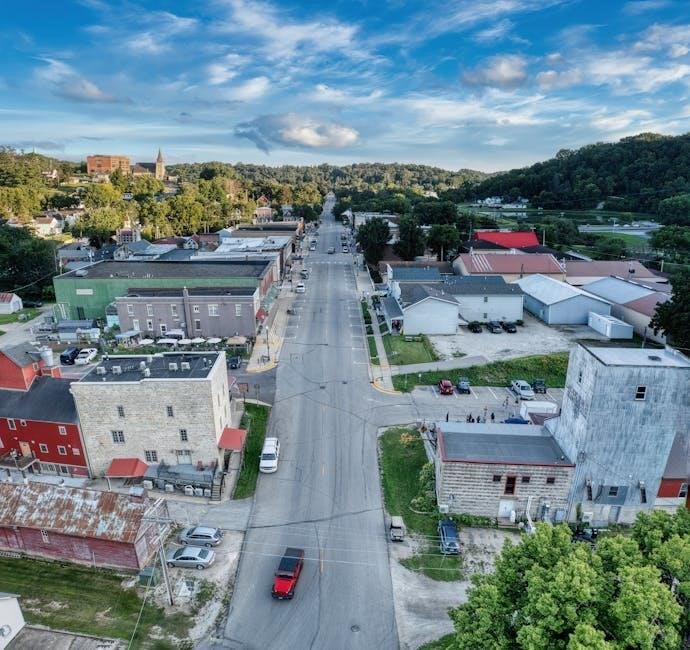
Grovers Corners‚ New Hampshire‚ the fictional setting of Our Town‚ represents a quintessential small American community at the turn of the 20th century. Though imagined‚ it’s deeply rooted in Wilder’s own experiences growing up in Wisconsin and his observations of New England life. Accessing the play’s PDF script allows a closer examination of this idealized locale.

The play meticulously depicts daily life in 1901 – schoolyards‚ homes‚ and the local doctor’s residence‚ all vividly portrayed. The PDF format preserves the details that evoke a sense of nostalgia and simplicity. This setting isn’t merely a backdrop; it’s a character in itself‚ embodying the values and rhythms of a bygone era.
Studying the PDF reveals how Wilder uses this specific locale to explore universal themes of life‚ love‚ and mortality‚ making Grovers Corners a timeless representation of “our town.”
Availability of “Our Town” Scripts in PDF Format
Finding a PDF version of Thornton Wilder’s Our Town is surprisingly accessible in today’s digital landscape. Numerous online repositories offer the script for download‚ catering to students‚ educators‚ and theatre enthusiasts. Several websites specialize in providing play scripts in digital formats‚ including convenient PDFs.
The availability of these PDFs facilitates easy access for reading‚ annotation‚ and performance preparation. Many educational institutions utilize digital scripts for classroom study‚ and the PDF format allows for seamless integration into online learning platforms.
However‚ it’s crucial to be mindful of copyright restrictions when downloading and using these scripts‚ ensuring compliance with legal guidelines. Free downloads are available‚ but verifying source reliability is essential.
Finding Free PDF Versions Online
Locating free PDF versions of Our Town requires careful navigation of the internet. Websites offering free scripts often include platforms dedicated to public domain works or those providing resources for educational purposes. A simple online search using keywords like “Our Town script PDF free download” yields numerous results‚ but discernment is key.
Internet Archive and similar digital libraries frequently host scanned copies of older play scripts‚ including Our Town. However‚ the quality of these scans can vary. Be cautious of unfamiliar websites promising free downloads‚ as they may contain malware or copyright-infringing material.
Always prioritize reputable sources and verify the legitimacy of the PDF before downloading.
Legality and Copyright Considerations
Downloading and using Our Town in PDF format necessitates understanding copyright law. While the play is widely celebrated‚ it remains protected by copyright‚ even decades after its initial publication. Obtaining a script for personal study is generally permissible‚ but public performance or distribution requires securing the appropriate performance rights.

Free PDF versions found online may be unauthorized copies‚ potentially violating copyright regulations. Utilizing such versions for anything beyond personal reading could lead to legal repercussions.
Always check the source’s licensing terms and consider purchasing a legitimate script from publishers or authorized vendors to ensure compliance with copyright laws and support the playwright’s estate.
Reliable Sources for PDF Downloads
Securing a legal PDF copy of Our Town requires utilizing trustworthy sources. Major online booksellers‚ such as Amazon and Barnes & Noble‚ frequently offer authorized digital versions for purchase. Samuel French‚ Inc.‚ a prominent play publisher‚ is a dependable resource for obtaining performance-licensed scripts in PDF format.
Project Gutenberg‚ while offering many public domain works‚ currently does not have a fully authorized PDF of Our Town due to ongoing copyright restrictions. University libraries with digital collections may also provide access‚ but access is often limited to enrolled students and faculty.
Prioritize purchasing from reputable vendors to ensure script authenticity and support the arts.
Key Characters in “Our Town”
Our Town boasts a cast of relatable characters embodying universal experiences. The Stage Manager serves as a unique narrator‚ directly addressing the audience and guiding them through the narrative of Grovers Corners; George Gibbs and Emily Webb represent youthful love and the blossoming of relationships within the community;
Doc Gibbs‚ George’s father‚ and Mrs. Webb‚ Emily’s mother‚ symbolize parental wisdom and the enduring strength of family bonds. Other notable figures include Professor Willard‚ the local schoolteacher‚ and various townspeople who collectively paint a vivid portrait of small-town life.
These characters‚ though seemingly ordinary‚ explore profound themes of life‚ love‚ and loss.

The Stage Manager: A Central Narrative Voice
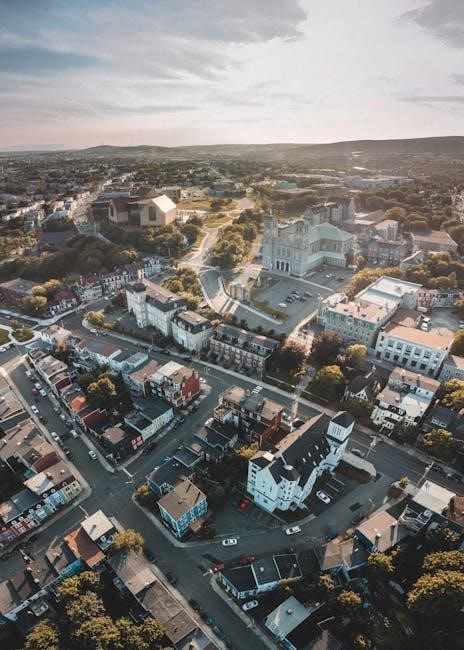
The Stage Manager in Our Town is far from a traditional character; he’s the play’s innovative and crucial narrative force. He directly addresses the audience‚ breaking the fourth wall to guide us through the story of Grovers Corners and its inhabitants. He doesn’t merely present events‚ but comments on them‚ offering philosophical insights into the human condition.
This character introduces characters‚ sets scenes – even describes the town’s layout – and ultimately oversees the entire dramatic landscape. He embodies a sense of timelessness‚ observing the cyclical nature of life and death.
The Stage Manager’s role is pivotal in shaping the play’s unique and impactful storytelling.
George Gibbs and Emily Webb: The Young Lovers
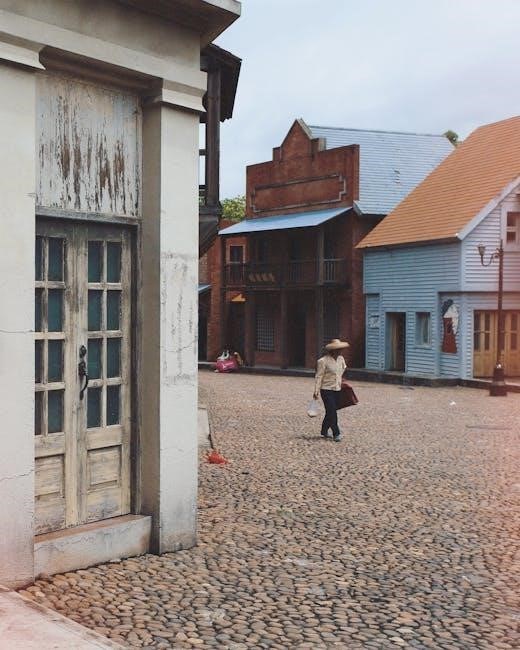
George Gibbs and Emily Webb represent the heart of Our Town’s exploration of love‚ marriage‚ and the passage of time. Their relationship unfolds gradually‚ from childhood friendship to shy courtship and eventual marriage. George‚ the son of the town doctor‚ is athletic and straightforward‚ while Emily is more introspective and bookish.
Their story isn’t filled with grand gestures‚ but rather the quiet‚ everyday moments of growing affection. The play beautifully portrays the awkwardness and tenderness of first love‚ and the challenges of building a life together.
Ultimately‚ their journey highlights the preciousness and fragility of human connection.
Doc Gibbs and Mrs. Webb: Parental Figures
Doc Gibbs and Mrs. Webb embody the wisdom and quiet strength of Grovers Corners’ parents. Doc Gibbs‚ a pragmatic and compassionate physician‚ offers a grounded perspective on life and death‚ providing practical advice and a comforting presence. Mrs. Webb‚ Emily’s mother‚ is more emotionally sensitive and deeply connected to her daughter’s inner life.

Both parents navigate the joys and anxieties of watching their children grow up‚ offering guidance while respecting their independence. They represent the values of the community – honesty‚ hard work‚ and a deep appreciation for family.
Their interactions reveal the universal challenges and rewards of parenthood.
Themes Explored in “Our Town”
“Our Town” profoundly explores universal themes resonating across generations. The cycle of life and death is central‚ depicted with stark honesty and poignant beauty‚ prompting reflection on mortality’s inevitability. The play champions the importance of community‚ showcasing the interconnectedness of individuals within Grovers Corners and the strength found in shared experiences.
Wilder urges audiences to practice appreciating the everyday moments‚ highlighting the significance of seemingly ordinary occurrences. The play questions societal conventions and encourages mindful living. Through its minimalist style‚ it emphasizes the essence of human existence‚ stripping away superficiality to reveal core truths about love‚ loss‚ and belonging.
The Cycle of Life and Death
“Our Town” presents a remarkably candid portrayal of life’s cyclical nature‚ from birth and childhood through love‚ marriage‚ and ultimately‚ death. The play doesn’t shy away from the realities of mortality‚ showcasing funerals and the grieving process with unflinching honesty. Emily Webb’s experience in Act III‚ revisiting her past‚ powerfully illustrates the fleeting nature of time and the preciousness of life.
Wilder emphasizes that death is an integral part of existence‚ not an ending but a transition. The play encourages audiences to contemplate their own mortality and to cherish each moment. This theme is reinforced by the Stage Manager’s detached yet compassionate narration‚ offering a broader perspective on the human condition.
The Importance of Community
“Our Town” beautifully depicts the interwoven lives within a small-town community‚ Grovers Corners‚ highlighting the significance of shared experiences and mutual support. The play showcases how neighbors know each other’s histories‚ celebrate together‚ and offer comfort during times of hardship. This sense of belonging is central to the characters’ identities and well-being.
Wilder emphasizes that community isn’t merely a geographical location but a network of relationships that provide meaning and purpose. The town meetings‚ church socials‚ and everyday interactions demonstrate the strength found in collective life. Even the Mayor’s celebrations underscore the communal spirit. The play subtly argues that a strong community is essential for navigating life’s challenges.
Appreciating the Everyday Moments
“Our Town” profoundly urges audiences to cherish the seemingly mundane aspects of daily life – the routines‚ conversations‚ and simple joys often taken for granted. Wilder masterfully portrays the beauty inherent in ordinary existence within Grovers Corners‚ from the schoolyard noises to the quiet moments at home. The play’s structure‚ focusing on daily life at “quarter of nine mornings‚” reinforces this theme.
Through the characters’ experiences‚ particularly Emily Webb’s realization in Act III‚ we understand the preciousness of moments only fully appreciated in retrospect. The play isn’t about grand events‚ but the accumulation of small‚ meaningful interactions. It’s a poignant reminder to be present and mindful‚ recognizing the value in each passing moment before it becomes a memory.
Act-by-Act Summary
Act I‚ set in 1901‚ introduces the idyllic town of Grovers Corners and its inhabitants‚ establishing their daily routines and relationships. We meet George Gibbs and Emily Webb as children‚ hinting at a budding connection. The Stage Manager guides us through this snapshot of small-town life‚ highlighting its simplicity and charm.
Act II focuses on the blossoming romance between George and Emily‚ culminating in their marriage. This act explores the universal themes of love‚ courtship‚ and the anxieties of young adulthood. The joy and nervousness surrounding their wedding are central.
Act III dramatically shifts focus to mortality‚ depicting Emily’s death in childbirth and her subsequent experience in the afterlife. This act offers a profound meditation on life‚ death‚ and the enduring power of human connection;
Act I: Daily Life in Grovers Corners (1901)
Act I paints a vivid portrait of Grovers Corners‚ New Hampshire‚ in 1901; The Stage Manager meticulously unveils the town’s layout – Main Street‚ the railway station‚ and the Polish Town across the tracks – establishing a sense of place. Daily rhythms unfold: schoolyards echo with youthful energy‚ and the town awakens with the crowing of a rooster just before dawn.
We are introduced to key families‚ including the Gibbs and the Webb families‚ observing their everyday interactions. The act emphasizes the ordinary‚ showcasing the routines of work‚ family‚ and community. It’s a deliberate focus on the seemingly insignificant moments that constitute a life‚ setting the stage for later reflections on their importance.
Act II: Love and Marriage
Act II chronicles the blossoming romance between George Gibbs and Emily Webb. Their courtship unfolds with a charming awkwardness‚ mirroring the universal experience of first love. We witness their hesitant steps towards connection‚ from shared glances to tentative conversations‚ all under the watchful eye of the community.
The act culminates in their marriage‚ a simple yet profound ceremony. It’s not a grand spectacle‚ but a quiet affirmation of their commitment. This section explores the hopes and anxieties surrounding marriage‚ and the transition into a new phase of life. The Stage Manager continues to narrate‚ offering insightful commentary on the couple’s journey and the institution of marriage itself.
Act III: Death and the Afterlife
Act III delivers the play’s most poignant and philosophical moments‚ confronting the inevitability of death. Emily Webb’s untimely passing profoundly impacts the community‚ forcing them to grapple with loss and the fragility of life. This act shifts perspective‚ moving beyond earthly concerns to explore the afterlife.
Emily‚ now among the dead‚ is granted a return visit to Grovers Corners‚ witnessing her own funeral and the continuing lives of her loved ones. This experience offers a powerful meditation on memory‚ regret‚ and the enduring power of human connection. The Stage Manager guides us through this ethereal realm‚ prompting reflection on what truly matters in life and beyond.
Analyzing the Play’s Unique Structure
Our Town boldly departs from conventional dramatic structure‚ employing a minimalist approach that emphasizes universal themes over elaborate plotlines. Wilder intentionally strips away traditional theatrical elements – elaborate sets‚ detailed costumes – focusing instead on dialogue and the Stage Manager’s direct address to the audience.
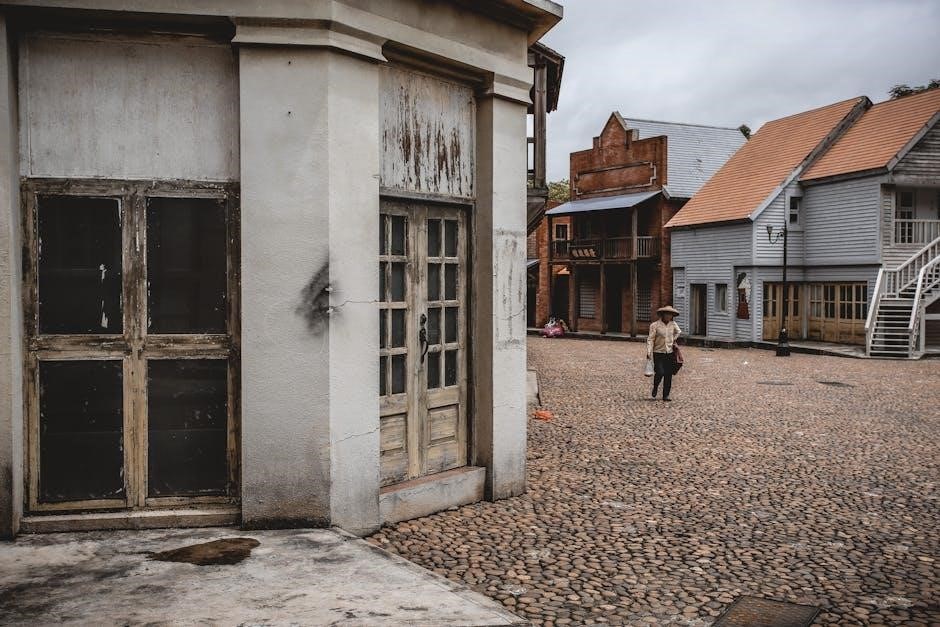
This unconventional technique breaks the fourth wall‚ inviting viewers to actively participate in the storytelling and contemplate the play’s profound questions about life and death. The episodic nature of the acts‚ representing key life stages‚ further contributes to its unique form. The play’s structure isn’t about what happens‚ but how we perceive and remember life’s moments.
Minimalist Set Design and its Significance
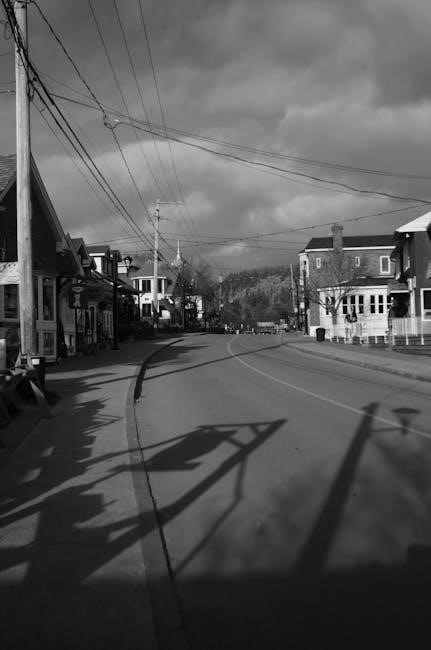
Our Town is renowned for its strikingly simple set design – or rather‚ lack thereof. Wilder deliberately eschews realistic scenery‚ advocating for a bare stage with only essential props representing locations like homes‚ the church‚ and the cemetery. This deliberate choice isn’t a limitation‚ but a powerful artistic statement.
The emptiness encourages audiences to actively use their imaginations‚ transforming the stage into Grovers Corners and‚ more importantly‚ into any town. This universality is key; the play isn’t about a specific place‚ but about the shared human experience. The minimalist approach focuses attention on the characters‚ their relationships‚ and the play’s philosophical themes‚ rather than visual spectacle.
The Use of Direct Address to the Audience
A defining characteristic of Our Town is the innovative use of direct address‚ primarily through the character of the Stage Manager. He frequently breaks the fourth wall‚ speaking directly to the audience‚ offering commentary‚ and guiding their understanding of the unfolding events. This isn’t merely narration; it’s an invitation to participate in the storytelling.
The Stage Manager acts as a meta-theatrical device‚ reminding us we are watching a play while simultaneously drawing us into the world of Grovers Corners. He introduces characters‚ provides historical context‚ and even prompts reflection on life’s big questions. This technique fosters a unique intimacy‚ blurring the lines between performer and spectator‚ and enhancing the play’s profound emotional impact.